House Flipping Investing Calculator
-
 Estimate your potential house flip profit the easy way
-
Account for loan, rehab, and fixed costs in one flow
-
See projected net profit and ROI before you offer
-
Aligns with how REsimpli tracks deals end-to-end
-
Save time — fewer spreadsheets, faster decisions

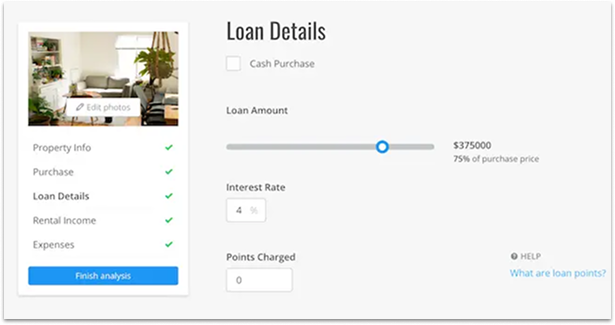
Use the House Flipping Calculator on BiggerPockets to decide if a fix and flip deal would be a solid addition to your portfolio. Begin using the fix and flip calculator by simply starting a report and following the steps of inputting the property, purchase, and sale information. Once users have entered this information, they will be able to review the results of the report to analyze if each fix and flip deal is right for them.
What to Consider With a Fix & Flip
There are plenty of things to consider before entering into a fix and flip property investment. When analyzing a deal, be sure to keep the fix and flip costs in mind:
What to Consider With a Fix & Flip

Identify After Repair Value
(ARV):
The ARV of the property is the expected property worth after the repairs are complete. Investors can often get a good estimate on this by looking at comparables in the area. The ARV is a key value to use when determining what to offer on a property, as the purchase price plus rehab costs should still leave room for (hopefully significant!) profit upon sale.
Fix & Flip Property Purchase
Price:
This is the price that the investor actually paid for the property. It isn’t necessarily what the property is worth or was listed at, but what actually was paid.
Closing Costs:
These are the extra expenses that buyers and sellers pay for property at the closing of a real estate transaction. On average, closing fees cost around 2-5% of the property’s purchase price.
Total Acquisition Costs:
This is the total cost of acquiring a property, including the purchase price and the closing costs.
Rehab Costs
Rehab costs are one of the biggest things to consider when fixing and flipping a property. Rehab costs are going to include:

Cost of materials

Cost of labor

Cost of permits
Have an Exit Strategy
Whenever an investor is going into a property investment, it is important to have a predetermined exit strategy should things not go as expected. If the flip becomes more expensive than was previously expected, or the house sits longer on the market, investors should have exit strategies for each scenario. Here are some examples of exit strategies:
- Lower the Price: Understanding the bottom line and how close you can get to it with lowering the listing price is extremely important. Every day the property sits on the market, it costs the seller money, so strategically lowering the price can save money in the long run. Consider this when planning exit strategies.
- Lease Options: A lease option entails finding a buyer that may have some money and is able to put down a deposit. That deposit and their subsequent lease option payments secures their right to buy that property at some predetermined date down the road.
- Landlording: Another option is landlording, which is nothing more than buying a property and then renting it out. If you decide you don’t want to sell the house at a lower price, then renting is a good option.